



Staff Correspondent:
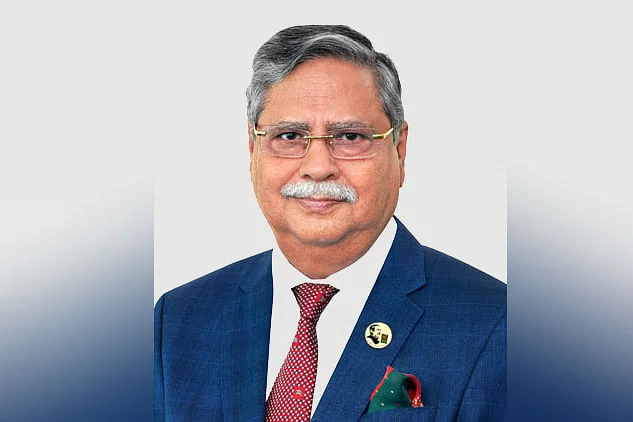
Amid rising protests demanding President Md. Sahabuddin’s resignation, speculation about his removal is growing.
However, the constitution imposes significant barriers to such a move.
While Parliament holds the power to remove the President, the current lack of a functioning Parliament complicates this option. Normally, a resignation would be addressed to the Speaker, but this role is vacant following the dissolution of Parliament and recent resignations by Speaker Shirin Sharmin Chowdhury and Deputy Speaker Shamsul Haque Tuku.
Per Article 50 of the Constitution, the President’s five-year term continues until a successor is appointed. Articles 50(3) and 52 outline resignation and impeachment protocols, but without a functioning Parliament, initiating removal proceedings is nearly impossible.
If the President resigns, a constitutional void would disrupt governance, impeding reforms and delaying a successor’s appointment. Given these legal challenges, patience is urged amidst the current political tensions.